.

.
Showing posts with label hacking. Show all posts

Tuesday, September 7, 2021

Roshan Thpa

Cybersecurity and New Technologies

 The cybersecurity landscape is evolving.

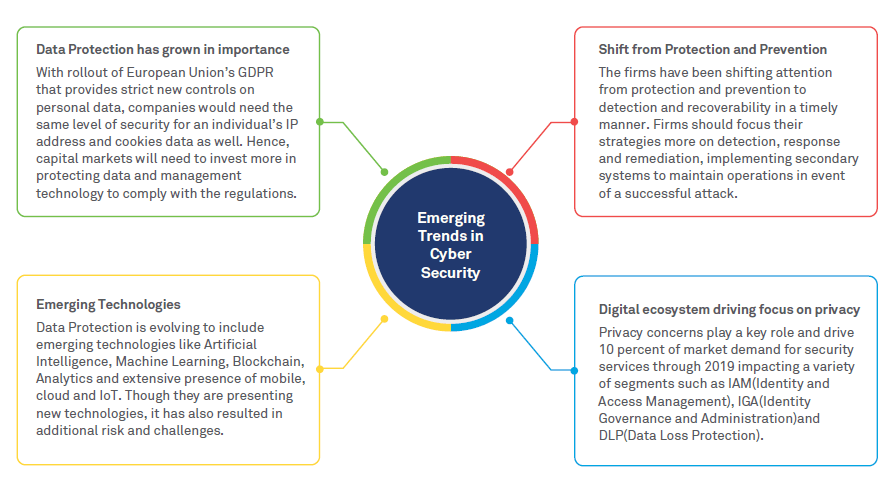
Thanks to new advances in technology, the future is looking bright for the industry. Artificial intelligence, machine learning, IoT, blockchain, 5G - these advancements will be part of what lies ahead. However, all this sophisticated new tech has a dark side: both sides can use it. Now, the struggle between cybersecurity and cybercrime has become even more complicated.

A new breach or zero-day attack targeting brands and government agencies seem to be happening each month. There have been several high-profile attacks this year alone. WhatsApp, NordVPN, the U.S. Customs, and Border Protection, and a slew of others have suffered breaches.

Cybersecurity and New Technologies

Here are seven emerging technologies that would make these attacks look elementary.

Compromised Artificial Intelligence

The applications for AI in government, business, and healthcare are limitless. For instance, AI can use crime statistics and criminal records data to create more accurate prediction tools that may decrease crime. Artificial intelligence can also help speed up the research and development of new, life-saving drugs.

In the wrong hands, however, AI can become a severe threat. Hackers are already using the technology to circumvent and outsmart cybersecurity defenses. Cybercriminals can use AI-powered programs to scan networks and reveal their vulnerabilities. AI-predictive text can impersonate high-value individuals and dupe targets into divulging private information.

Attackers Abuse the Cloud and Exploit Encryption

Hackers are already using encryption and sandboxing to hide in plain sight, and they're getting better at it. Encryption is a great tool to protect regular traffic, but it can also inadvertently conceal bad traffic from detection. Cybercriminals use popular cloud services to hide, control, and distribute malware. This technique is challenging to catch using traditional security tools because it looks like regular traffic.

Self-propagating Malware

In the old days, it took two to do the malware tango. The first dancer was the corrupted link, file, or program, while the other was the user. The user had to open an attachment, download a file, or do some other action before the malware could spread. Today, there are newer forms of hybrid malware, and all are scary.

Take ransomware crypto worms, for instance. These buggers are network-based and don't need human intervention to spread. Malware that self-propagates is tougher to catch and can spread at the speed of the network they're in. Security experts agree that self-propagating malware can potentially take down the internet.

Exploiting Vulnerabilities in 5G

As carriers start pushing 5G as the faster, next-gen wireless network with more bandwidth, hackers can use the transition to attack. The targets would be 5G devices and systems using the web, and the most likely method would be a DDoS attack. The increased speed and bandwidth means more data can flood the servers with traffic, shutting them down.

Financial and Security Scams Using Deepfake Technology

You've probably seen "deep fakes" of Tom Cruise and Donald Trump in action on YouTube. Deepfake technology lets people manipulate audio and video in a very realistic way. Face-swapping filters on Snapchat and Instagram are basic versions of this technology. Sophisticated and well-made deep fakes are tough to spot, you'll have a hard time distinguishing it from the real thing.

It's this level of sophistication that is worrisome. Sure, the creators of celebrity deepfakes do it for kicks and to show off the capabilities of the tech. However, many cybersecurity experts warn that hackers could use the technology for fraud and phishing scams. Cybercriminals can pose as someone else to trick people into handing over money or sensitive information.

The only course of action is to fight fire with fire or AI with AI. Several companies are developing AI-powered software that can detect deep fakes, but the process will take a while.

Cybercriminals use the "Internet of Things" as a New Attack Vector

The Internet of Things (IoT) has become part of the lives of countless people over the years. The best example of the technology in use is a smart home network. Home devices and appliances can communicate with each other via the internet. Homeowners can also control devices remotely, such as turning a light on and off or viewing an IP camera. IoT technology is also used in all types of businesses.

As useful as IoT has been, the technology carries with it several security flaws:

  • Individuals or teams that deploy IoT devices leave them unmonitored.
  • Many IoT devices create "back doors" into other systems, leaving them vulnerable to attack.
  • IoT vendors have historically done a poor job of patching their devices to address known security issues.
  • Most IoT endpoints have no security capabilities.

Hackers are getting better and evolving at a faster rate because they have more tools at their disposal.

Quantum Computers Capable of Cracking Encrypted Data

Quantum computing has always been theoretical, but Google had other plans. The search giant announced in September that they built a functioning quantum computer. Even if the technology has no practical applications yet, everyone must take precautions from here on out.

The development of a working quantum computer is a wonderful computer engineering achievement. However, it can spell the apocalypse for the encryption world. Anybody who can get his or her hands on one can hack into practically anything using the power of quantum physics. All this computing power can break the encryption protocols used in passwords, credit card transactions, and even blockchain.


Conclusion

It has always been a high-stakes chess match between security experts and cybercriminals. Although the emergence of new technologies is great for the industry as a whole, it also poses a threat to everyone. AI-assisted hackers can break into criminal records databases to extort people with prior records to pay a ransom. Quantum computers in the wrong hands can easily break encrypted transactions. Network-based malware can shut down the entire internet.

Read More
Roshan Thpa

10 Best Ethical Hacking Books for Beginner to Advanced Hacker


Introduction to Ethical Hacking

The digital world is developing rapidly and furiously, and there is a need to secure data at every stage. Since everything – personal information, bank information, friends, family, etc. is shared online now, data has to be secure at every point. Many cybercriminals are looking for opportunities to steal confidential data for many purposes, including conflict of interest, national security breach, terrorist activities, and so on.

Ethical hacking services provide a solution to safeguard business and government networks from such attacks and provide high data security. We can prevent data from being stolen or misused through ethical hacking, identify vulnerabilities or weak points, implement secure networks, and protect the data. There are five main types of ethical hacking, and most of us know most of them:

  1. Web application hacking
  2. Web server hacking
  3. System hacking
  4. Wireless network hacking
  5. Social engineering

Each type of hacking requires certain skills, tools, and techniques, and the ethical hackers need to think just how an actual malicious hacker would for a thorough test. They should identify loopholes, know about penetration testing, use the appropriate tools to carry out the hack, and be prepared. Even if there is an actual attack, the loss is minimal.

Types of Hackers

Hacking is an exciting topic, and so are the hackers. That’s why there are different types of them based on their intentions:

  • White Hat Hacker: Well, these are the good guys or ethical hackers. They exploit the security systems to look for loopholes so that the ‘bad guys’ don’t do that. They have permission from respective companies to do so for the sole purpose of identifying potential security threats. Companies like Google, Facebook, and Microsoft, that store sensitive data hire white-hat hackers.
  • Grey Hat Hacker: Grey-hat hackers are one step ahead of white-hat hackers and exploit the networks left and right to identify vulnerabilities and also correct them to get money from the organization. They do not have malicious intentions and inform the authorities and intelligence agencies about security loopholes that can be dangerous.
  • Black Hat Hacker: This type of hacker tries to gain unauthorized access into a network to compromise security systems, shutting down systems, and altering website functions. These hackers try to get access to personal data, financial data, and passwords.

10 Best Ethical Hacking Books

In the above introduction, we have tried to cover fundamental information about hacking. Once you start reading about hacking, you will be more interested in learning and understanding how things work, and nothing can beat books when it comes to learning! So, here we have the top 10 ethical hacking books, through which you will gain knowledge and be able to hack some systems and know the loopholes if any. Remember that ethical hacking means having permission to hack; otherwise, hacking is a serious offense.
Ethical Hacking Books for Beginner to Intermediate

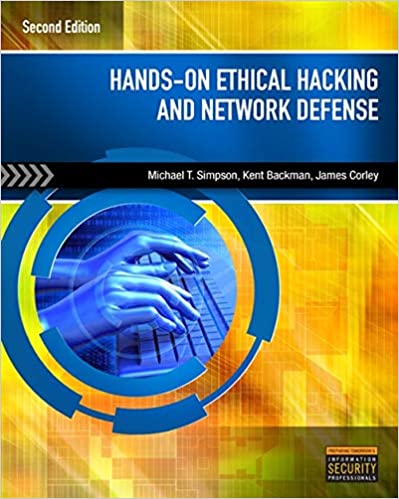
1. Hands-on Ethical Hacking and Network Defense

Hands-On Ethical Hacking and Network DefenseRating: 4.7

This is a solid foundational book for beginners and best books learn hacking including freshers who have no idea about networking, security, hacking, etc. The author uses simple and effective language and gives thorough explanations of the various concepts. It is mostly a theory book and doesn’t have much implementation or techniques explained. It is a good book to overview all the high-level hacking concepts like security testing, various tools, penetration testing techniques, mobile security, and ways to protect networks.

Highlights

  • Easy to read and doesn’t go too much into technical details or implementations.
  • There are a lot of case scenarios and questions at the end of each chapter.
  • The book introduces many concepts and terminologies, and if you wish to read in-depth about any term or concept, you can supplement the learning using other resources or books.
  • The book lists quite good resources and additional reference material in Appendix B.

You can buy this book here.
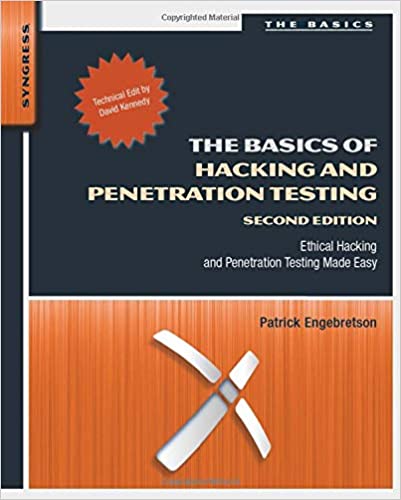
2. The Basics of Hacking and Penetration Testing - Patrick Engebretson

The Basics of Hacking and Penetration TestingRating: 4.6

If you plan to be a penetration tester (pen-tester), this will be a good first book for you. The book covers a wide range of tools like Backtrack and Kall Linux, Nmap, Social-Engineer Toolkit, Netcat, and many more. The book is well-structured and covers each topic step-by-step for thorough understanding. The author’s tone is quite entertaining and engaging. It is a complete ethical hacking training material for beginners.

Highlights

  • This book is a must for you if you don’t know what to start with ethical hacking.
  • The author takes time to create a solid understanding of foundational concepts.
  • The author gives a lot of attention to detail and explains why something is being done in a particular way, rather than just explaining what’s being done.
  • The author sticks to basics and doesn’t overload you with too many technical details or advanced concepts.
  • There are many examples in each chapter, end of chapter exercises, and extra resources to enhance the reading experience.

You can buy this book here.
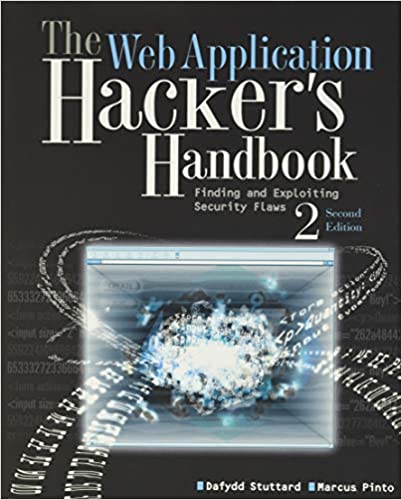
3. The Web Application Hacker’s Handbook: Finding and Exploiting Security Flaws

The Web Application Hacker's HandbookRating: 4.6

This is one of the highly popular and commercially successful books for hacking. It follows an efficient approach. The book is thorough on website security and good for reference as well. The author doesn’t spoon-feed you with facts; he tries to make you think at every point. The book has loads of real-world best practices and scenarios. The book is well-organized, with the first few chapters discussing major web components and potential vulnerabilities, the next few focus on hack steps for sessions, databases, etc.

Highlights

  • There are a lot of techniques presented to attack and protect web applications.
  • Some sections help you build your own code and have examples in C++, ASP.Net, and Java.
  • The author introduces readers to many tools and encourages the use of their own product, Burp Suite.
  • Though Burp Suite is not free (it’s rather costly), you will gain a lot from the content and test the book's techniques.
  • The book is for both beginners and intermediate learners.

You can buy this book here.
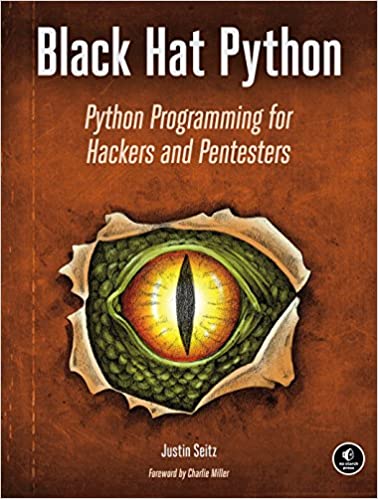
4. Black Hat Python: Python Programming for Hackers and Pentesters

Black Hat PythonRating: 4.6

This book is great for those who have some programming experience (not necessarily Python) but no Hacking experience. As Python is easy to learn, you can learn it side by side through this book. For more information, you can refer to online materials once in a while. The book uses Python 2 and mostly focuses on how to write effective hacking tools using Python. The book is thorough with the techniques and challenges you at various levels. You can use it as reference material as well as for learning from scratch.

Highlights

  • The author gives a lot of interesting tricks for basic hacking using Python.
  • Although some code is outdated (Python2), you can easily change it to the corresponding Python3 and use it.
  • The author’s language is crisp and to the point.
  • The book encourages you to extend the existing techniques to create your own exploits and play around with the concepts.
  • No prior knowledge of networking or hacking is required; the book covers all the necessary basics.
  • The book also covers GitHub and how to build a Git-Hub aware Trojan.

You can buy this book here.
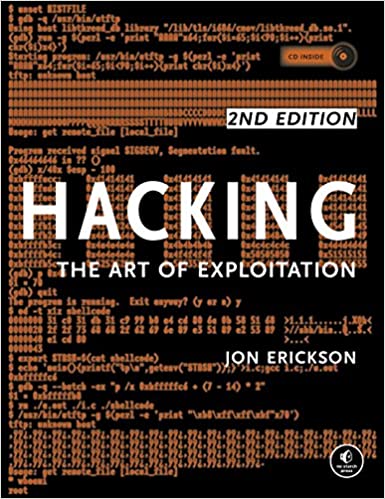
5. Hacking: The Art of Exploitation by Jon Erickson

Hacking: The Art of Exploitation, 2nd EditionRating: 4.6

This intermediate book for hacking has a different perspective on hacking. The author encourages you to have a solid technical foundation apart from knowing networking and security and explains how arcane hacking techniques work. This is a hands-on and practical book that works its way through examples while exploring various hacking areas. The author emphasizes the need to think like a hacker, be creative, and investigate areas never touched before.

Highlights

  • Though the book covers a bit about C, it is better to have a basic understanding before you start the book.
  • You should know the basic concepts of Python, TCP/IP, OSI, and the operating system (Linux).
  • It is very insightful and deep, so you should start the book when you have the time to learn everything about hacking thoroughly – it's not a quick reference guide.
  • The book doesn’t just give you use cases but tries to build a strong foundation so you can think of your own ways of hacking.
  • Comes with a CD for Linux that helps you practice what you read.

You can buy this book here.
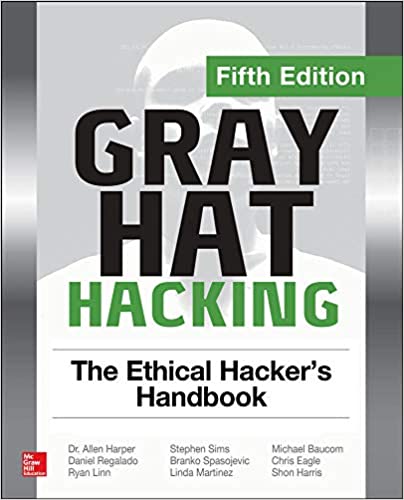
6. Gray Hat Hacking: The Ethical Hacker's Handbook, Fifth Edition 5th Edition

Gray Hat HackingRating: 3.7

The book covers all the basics and then moves on to some intermediate concepts as well. So, whether you are a fresher or not, you will benefit from this book in some way. This is an interesting and well-written book in a neat and crisp style. Although some concepts are not covered too much in-depth, it is sufficient for you to start with ethical hacking, networking, and cybersecurity.

Highlights

  • The book is totally divided into five parts where Part I talks about hacking in general and preparatory work for hacking like learning a programming language (C), using gdb, etc., Part II starts with core concepts of hacking and penetration testing, Part III explores how to exploit systems left and right, Part IV covers some advanced malware analysis. Part V talks about IoT that can be hacked.
  • Each chapter has labs and additional exercises at the end of practice. The authors also give references at the end of the chapter.
  • Along with the various strategies and case studies, the book also tells how you have to be careful about cyber-attacks and lists out the clear distinction between ethical and unethical hacking.

You can buy this book here.

Advanced Ethical Hacking Books

So far, we have discussed books that cover basics and foundational concepts and some intermediate concepts here and there. The below books go one level deeper and help readers understand hacking in a more organized and deeper manner.
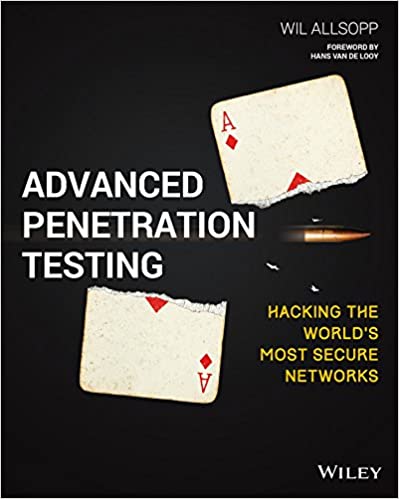
7. Advanced Penetration Testing: Hacking the world’s most Secure Networks

Advanced Penetration TestingRating: 4.8

The book covers some complex scenarios and techniques to face those. This is for professionals who want to think like professional hackers and perform pen-testing on highly secure networks. Many examples in the book use C, Java, JavaScript, VBA, Windows Scripting Host, Flash, etc. The author introduces you to many scanning tools and standard library applications in these languages.

Highlights

  • A very engaging book; it is like reading a storybook, except that it is technical!
  • Very relatable examples and a true opener of how vulnerable we are when we go digital.
  • Although advanced, the book teaches you how to write custom code step by step and helps you understand the importance of pen-testing tools.
  • You can read the book even if you don’t have programming knowledge (but some computer background). You can learn the languages along the way through other reference materials.
  • This is also a great book for those who want to take up certifications as a pen-tester.

You can buy this book here.
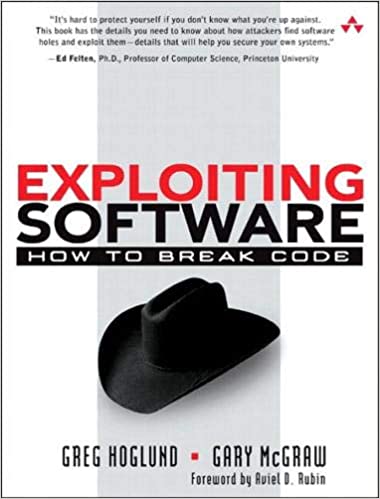
8. Exploiting Software: How to Break Code by Greg Hoglund and Gary R. McGraw

Exploiting SoftwareRating: 4.5

The book is deeply technical and written knowledgeably and educationally. It is for those who have some working knowledge of reverse engineering and exploitation but want to go deep into exploring black hat techniques for exploiting software vulnerabilities. The book emphasizes attack patterns, which we have not seen in any other book in so much detail. The author gives a lot of examples and case studies that are relevant in today’s scenario.

Highlights

  • The book focuses on how software quality problems can lead to security lapses and how they can be corrected quickly.
  • You will learn how to write your own cracking tools (the book assumes you have a basic understanding of x86 processor)
  • Many chapters are dedicated to attacking patterns like stack overflow, string format overflow, URL encoding, etc., and explores how to overcome them with examples from different languages like C++, Java.
  • The author covers in detail rootkits, writing them, call hooking, and many more advanced concepts.

You can buy this book here.
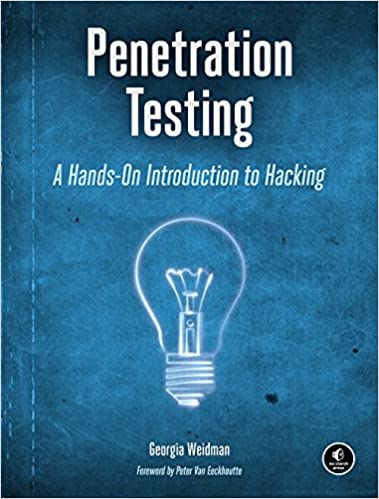
9. Penetration Testing – A Hands-On Introduction to Hacking

Penetration TestingRating: 4.4

The book starts by explaining the fundamental skills and techniques that every pentester should possess. As the name suggests, the book contains many examples, practical lessons with tools, and a machine-based lab. This way, you will be able to closely understand how a hacker gains access to security systems, cracks network keys and passwords, and write exploits on your own for all of the above and more.

Highlights

  • The book is not purely technical and doesn’t overload you with too much information and technical jargon.
  • The lab setup is a little outdated (1st edition), but all the relevant information can still be found on the web (for example, exploit-DB)– the book is worth in-spite of this!
  • If you are new to hacking, this book will provide you a good introduction, and if you are experienced, you can get a lot of practical knowledge through the exercises and lab.
  • The author’s tone is engaging and crisp and focuses on example-based learning.

You can buy this book here.
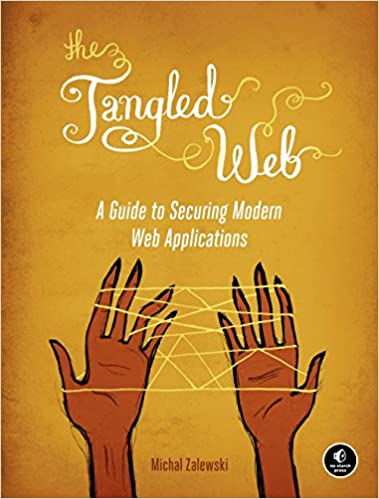
10. The Tangled Web by Michal Zalewski

The Tangled Web: A Guide to Securing Modern Web ApplicationsRating: 4.2

This is a thorough and comprehensive guide, and not only that, but it is also written in a fascinating, engaging manner. Since we all use the web for some other reasons, you can relate to many scenarios covered in the book as a reader. It is an eye-opener of how our data is so vulnerable and what are the weak points that make hacking possible on a large scale. The book also gives a solution to these problems through various tools and techniques.


Highlights

  • Every chapter contains security engineering cheat sheets that offer quick solutions to the most common problems.
  • Covers a wide range of basic and advanced tasks like URL parsing, building mashups, and embedding gadgets, use modern security features to protect the network and its users
  • The book focuses on the problems faced in today’s web browsers, including how they operate and how to build secure browser applications, which means that this is a must-have book for web developers.
  • The author's guidance and tips are outstanding and show the author’s experience in the field.
  • The user starts with URL, HTML, CSS, etc., and explains the behavior of each, and then moves to browser security features. The author also gives some foresight on new security features (which may be old now, but still worth reading!).

You can buy this book here.

Further Learning

If you have no programming experience before getting into hacking, you should learn some basics about at least one programming language like C, C++, Python, Java. Also, you should know about what a network is, DBMS, and how they are structured. This will help you focus better on hacking. Some of the above books cover these topics, but having prior knowledge is a good option for your own learning.

There is a lot of material that can add value to your learning, along with these books, such as blogs and online tutorials. Here are some of the best hacking courses listed by hackr.io that can further enhance your learning experience.

Read More
Roshan Thpa

10 Best Cyber Security Certifications To Boost Your Career

 Cyber Security Certification is a must to become a cybersecurity specialist.

There is an unprecedented amount of data that is being generated, stored, and processed all the time by the scientific, corporate, government, military, financial, and medical organizations, a significant of which is very sensitive and requires continuous protection. Cybersecurity concerns with the technologies and practices implemented to protect this virtual world. It is the practice of securing systems, networks, and programs from digital threats, damage, and unauthorized access. It also refers to the protection of information technology. For adequate protection against cyber-attacks, every organization needs to account for each of the following elements:

  • Application Security
  • Business Continuity
  • Cloud Security
  • Data Security
  • Database and Infrastructure Security
  • Disaster Recovery
  • End-User Education
  • End Point Security
  • Identity Management
  • Mobile Security
  • Network Security

Cyber Security Job Profile

The main job of a cybersecurity professional is the protection of data. The job responsibilities of cybersecurity professionals are very complicated and span across all organizations. Before you look for cybersecurity certification, you need to look into the different career options. These are but not limited to:

  • Security Specialist
  • Security Administrator
  • Security Architect
  • Security Analyst
  • Security Auditor
  • Security Director
  • Security Consultant
  • Security Engineer
  • Cryptographer
  • Chief Information Security Officer
  • Vulnerability Assessor
  • Incident Responder
  • Forensic Expert
  • Penetration Tester
  • Source Code Auditor
  • Security Manager
  • Cryptanalyst
  • Best Cyber Security Certification

Most of the Cyber Security jobs require a four year Bachelor’s Degree in Computer Science or Information Technology. It generally covers a foundation in Programming, Database, and Statistics with an insight into Artificial Intelligence, Cryptography, and Ethical Hacking.

A Master’s Degree takes an additional one to two years after the Bachelor’s Degree. It provides advanced instruction in protecting computer networks and infrastructures from threats. You learn about ethics, policies, and procedures of cybersecurity and how to carry out security measures and defense techniques. It prepares students to be sophisticated practitioners and enables them to investigate critical technologies such as digital forensics, biometry, and cryptography.

Best Cyber Security Certifications

There are many numbers of online and traditional on-campus programs for cyber security certifications. Most of them focus on network and data protection at different levels. Each certification prepares an aspirant for a specific purpose. Such courses explore cryptographic techniques, computer security, digital forensics, and designs for network perimeter defenses. Let us look into the different cyber security certifications worth considering. Before choosing a cyber security certification, it is essential to make sure that the course is accredited and aligns with the targeted career goal.

1. CEH: Certified Ethical Hacker

CEH: Certified Ethical Hacker

This certification teaches you how to think and act like a hacker. Topics in this certification cover hacking technologies, the latest vulnerabilities, information security laws, and standards. Students are put through real-time scenarios, exposed to hacking techniques, and finally taught how to scan hack and protect their system from the same. This course benefits security professionals, site administrators, and anyone concerned with network security. This certification gives you an edge towards penetration testing jobs.

You can signup here. 

2. CISM (Certified Information Security Manager)

CISM (Certified Information Security Manager)

It is a top credential for IT professionals in enterprise-level applications for developing the best organizational security practices. An aspirant here needs five years of proven cybersecurity experience. However, a combination of education and experience may also be substituted for this requirement. The CISM is valid for three years, and credential holders need to pay an annual maintenance fee. Credential holders of this certification possess advanced skills in

  • Security Risk Management
  • Program Development and Management
  • Governance
  • Incident Management and Response.

You can signup here.

3. CompTIA Security+

CompTIA Security+ Certification

It is a general level certification for those who are new to cyber technology. It requires two years to complete it. It covers the following IT concepts:

  • Network threats and defense techniques
  • Effective security policies
  • Network and Host-based security practices
  • Disaster Recovery
  • Encryption Standards and Products

You can signup here.

4. CISSP (Certified Information Systems Security Professional)

CISSP (Certified Information Systems Security Professional)

Many IT organizations consider this certification as an essential requirement for network security. It is a vendor-independent certification and can be applied to a wide variety of set-ups. This certification requires prior experience of 3 – 5 years, and once completed, it is one of the best knowledge assets you can have. This course covers the following domains:

  • Access Control
  • Cryptography
  • Telecommunications
  • Networking

You can signup here.

5. GSEC: GIAC Security Essentials

Cyber Security Certification: GSEC

This certification requires five years of relevant work experience. It is an entry-level certification designed for professionals who aspire to occupy ‘hands-on’ security roles. GSEC certified professionals possess technical skills in identifying and preventing wireless attacks, access controls, authentication, password management, DNS, cryptography fundamentals, ICMP, IPv6, critical public infrastructure, Linux, Network Mapping, and Network Protocols. This certification needs to be renewed every four years along with a payment of certification maintenance fee, also every four years. It is more of management focused certification, and it covers the following domains:

  • Information Security Program Development and Management
  • Information Security Management
  • Information Security Incident Management
  • Information Risk Management and Compliance

You can signup here.

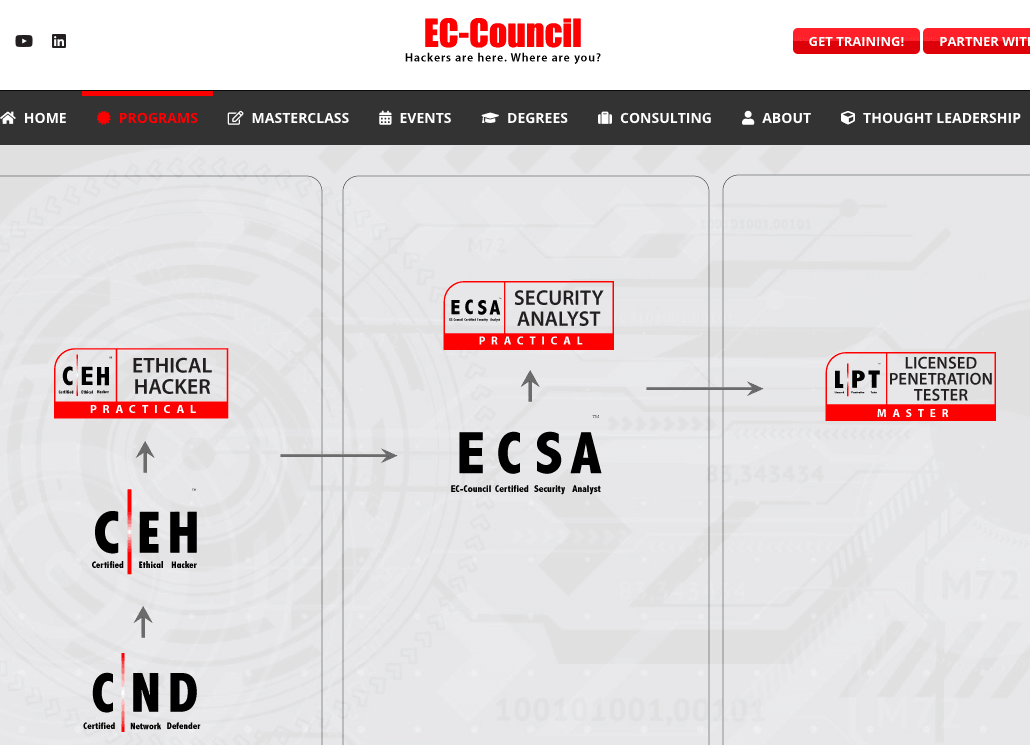
6. ECSA: EC-Council Certified Security Analyst

EC-Council Certified Security Analyst (ECSA): Penetration Testing

This certification is similar to the CEH certification. This certification gives you an understanding of hacking tools and the latest technologies. This certification is suitable for Network Server Administrator, Information Security Tester, Firewall Administrator, System Administrator, Risk Assessment Professional, and more.

You can signup here.

7. GPEN: GIAC Penetration Tester

Penetration Testing

It is a certification for personnel whose job duties involve assessing target networks and find security vulnerabilities. The topic areas for this certification are:

  • Password Formats and Hashes, Advanced Password Attacks, Attacking Password Hashes
  • Exploitation Fundamentals, Escalation and Exploitation, Domain Escalation and Persistence Attacks
  • Kerberos Attacks, Metasploit, Moving Files with Exploits
  • Penetration Test Planning
  • Penetration Testing with PowerShell and the Windows Command Line
  • Scanning and Host Discovery, Vulnerability Scanning
  • Web Application Injection Attacks
  • Web Application Reconnaissance

You can signup here.

8. SSCP: Systems Security Certified Practitioner

SSCP – The Premier Security Administrator CertificationThis certification ensures that you have acquired the advanced technical skills to implement, monitor, and administer IT infrastructure using best security practices, procedures, and policies established by the cybersecurity experts. This certification is ideal for IT administrators, managers, directors, and network security professionals, including those holding the following job positions:
  • Network Security Engineer
  • Systems Administrator
  • Security Analyst
  • Systems Engineer
  • Security Consultant/Specialist
  • Security Administrator
  • Systems/Network Analyst
  • Database Administrator

You can signup here.

9. CRISC: Certified in Risk and Information System Control

CRISC: Certified in Risk and Information System ControlIt is an enterprise risk management qualification for professionals looking forward to extending their knowledge and experience of IT, Business Risk, identification, and implementation of Business Systems Control. CRISC is one of the first certifications which help to prepare IT professionals for real-world threats. It adds a higher value to employers and clients in risk assessment and management, fosters continuous knowledge, and up to date information. CRISC certification is targeted towards professionals whose job responsibilities include the following roles:
  • IT Professionals
  • Risk Professionals
  • Control Professionals
  • Business Analysts
  • Project Managers
  • Compliance Professionals

You can signup here.

10. CISA: Certified Information Systems Auditor

CISA: Certified Information Systems AuditorThis certification focuses on Information Auditing. CISA certified professionals have good audit experience and can manage vulnerabilities. It, too, requires five years of prior experience. Students gain expertise in the following domains:

  • Information Systems Auditing
  • IT Management and Governance
  • Protection of Information Assets

You can signup here.

Bonus Cybersecurity Certification

11. CCSP: Certified Cloud Security Professional

Traditional IT security protocols do not work in a cloud environment. This certification gives IT professionals a deep understanding of cloud architecture, its design, operations, and services. It needs five years of prior experience. This certification covers the following domains:

  • Concepts of Cloud Architecture and Design
  • Cloud Data and Security
  • Platform and Infrastructure Security
  • Cloud Operations
  • Legal and Compliance

You can signup here.

12. CHFI: Computer Hacking Forensic Investigator

This is an advanced cybersecurity certification for forensic network security investigators. It enables you to gather the necessary evidence and prosecute offenders in a court of law. The hacking forensic investigator is responsible for analyzing attacks, extricating information, report hacking crimes, and conduct audits to prevent future crimes. This certification covers:

  • Incident Response and Forensics
  • Recovering deleted, encrypted or damaged file information
  • Technical Examination & Analysis
  • Reporting of Computer-based evidence.

You can signup here.

13. CCNA: Cisco Certified Network Associate Security

It is a Cisco Certified associate-level certification that goes a long way in taking forward your career in CISCO Security. This certification enables you to:

  • Recognize threats and vulnerabilities in CISCO network
  • Mitigate Security Threats
  • Develop an effective security infrastructure.

There are more programs or certifications provided by them that may coincide with your career goal.

You can signup here.

In addition to the certifications listed above, do not miss out on reviewing the various IT Security of the Training Providers and the programs offered by them.

Conclusion

Before you dive into this career, understand the very need for this service. What you are protecting and what happens if it is not protected are two very elementary instincts for this job role. There is no one exact entry point for a career in cybersecurity. Professionals can steer themselves into it from a variety of backgrounds such as Software Developers, Data Analysts, Database Administrators, Network Administrators, IT Customer Service, Web Administrators, and more. However, an understanding of technical processes is a must-have to proceed into this career path. Also, instead of starting as a fresher in this career path, you may begin as a regular IT professional and navigate your way into a cyber-security expert.

Read More